
Susan Young's
Amplify Blog
How Intentional Communication Can Engage Your Team

The right way.
Good communication isn't about giving people more information.
It’s about being deliberate about what people actually need to know—and when they need to know it.🙌
Before sending an email, making an announcement, starting a meeting, or moving a project forward, stop and ask three questions:
1. Who needs this information?
Not everyone. Identify who will decide, act, or be affected.
2. What do they need to understand?
Information without context can create more questions than answers.
What does this person need to understand to do their job, decide, or respond appropriately?
3. What happens if they don’t know?
This question often gets overlooked.
Could it cause a missed deadline, a wrong decision, rework, or a frustrated member, client, or stakeholder?
➡️What happens if a message goes in the wrong direction?
Here's the truth: Communication becomes much more effective when you answer these questions *before* the information goes out, not after confusion starts.🤔
The goal isn't to commu...
The Real Cause of Operational Failures

Reality check.
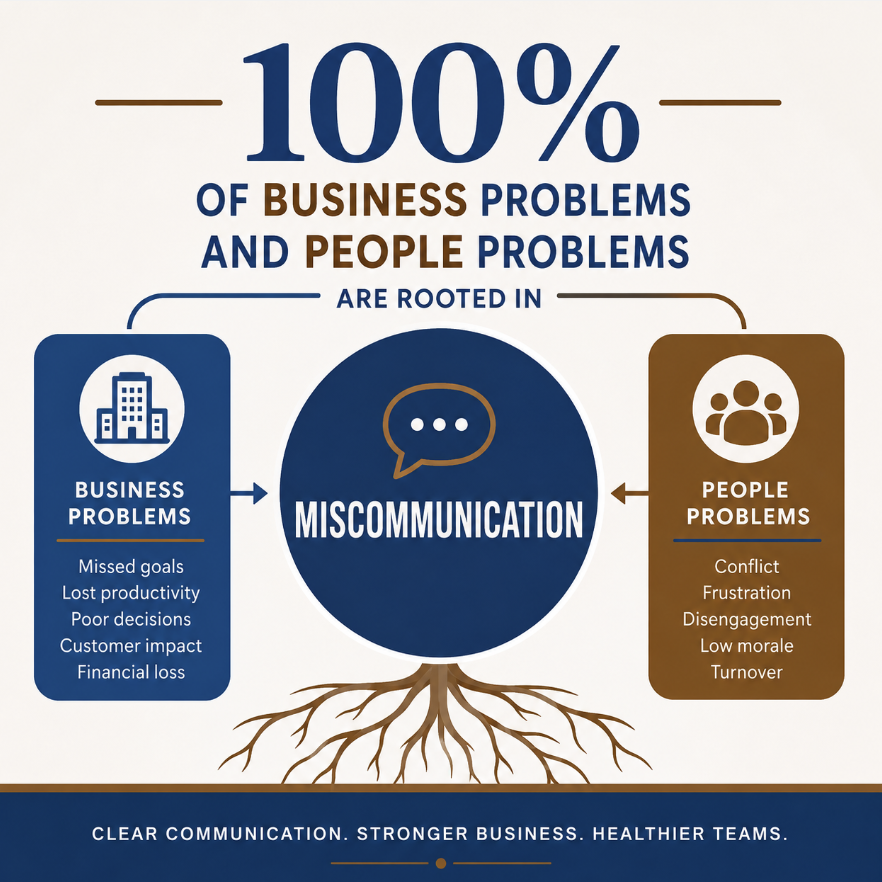
Nearly 100% of operational problems and people problems stem from communication challenges.
It's a pretty hefty price.
Let that sink in.
Working at the World Trade Center: A Life Lesson
Your first real job.
They say you always remember your first.😍
I graduated from college and landed my first real job.
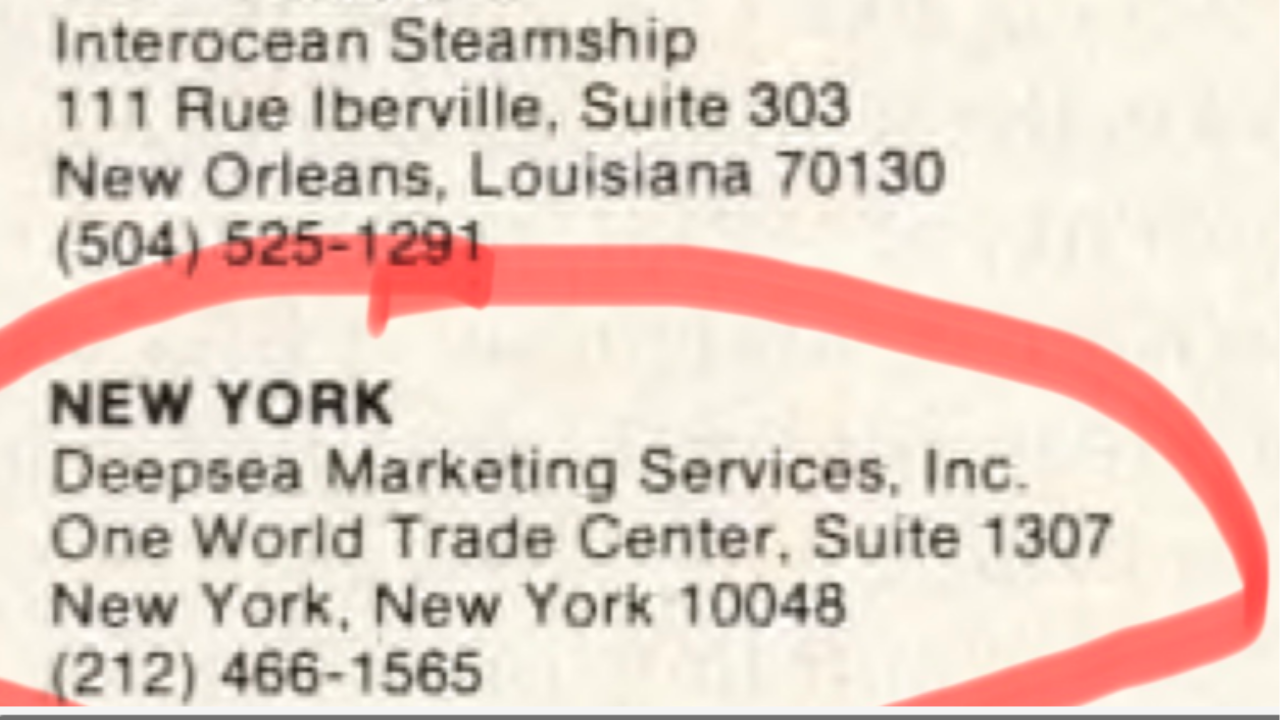
It was at the World Trade Center.
Tower 1.
The 13th floor.
I was initially shell-shocked by the ungodly 40-minute train commute from central New Jersey into lower Manhattan.
I went from college hangovers to harried businesspeople in suits. 😎
It was the summer of 1984. I listened to my Sony Walkman and the song "The Warrior" from Scandal.
The greatest lesson I learned from working at the World Trade Center is this:
🎯People-watching is priceless.
Why pay for entertainment when a slice of real life and stories are all around?
I'm glad there were no cell phones and tech distractions.
I quickly discovered the best part of the day was lunch! 🙌
I would sit outside and eat lunch at the fountains between Towers 1 and 2.
Tobin Plaza.
🔷Watching tourists take pictures with Kodak Instamatic film cameras.
🔷Seeing couriers on bicycles delivering who knows what to who knows who.
🔷Catching glimpses ...
7 Business and Communication Insights from Dolly Parton

The real deal.
Around the world, people continue to pay tribute to Dolly Parton's legacy.
What stands out about Dolly's life is her simplicity and lack of pretension.
Whatever she was doing—singing on stage, acting in a film, or giving a one-on-one interview—Dolly always seemed down-to-earth.
Here are 7 takeaways from her life that we can apply to business, communication, and our own lives:
🔷On showing up: It was no secret; Dolly often spoke about wearing wigs. Why pretend, she said? Although she had a public image, the woman was genuine.
🔷On relating to people: The 80-year-old legend made people feel seen. Whether singing to millions or talking to one person, she communicated with warmth and without pretense. Not every celebrity or leader can do this. Dolly was straightforward; she spoke plainly, and people listened.
🔷On curiosity: Dolly believed curiosity could change a life.
In 1995, she launched her "Imagination Library" in her home state of Tennessee. Children around the globe have rece...
Why You Must Forget the Fear of Public Speaking

1 in 3 people.
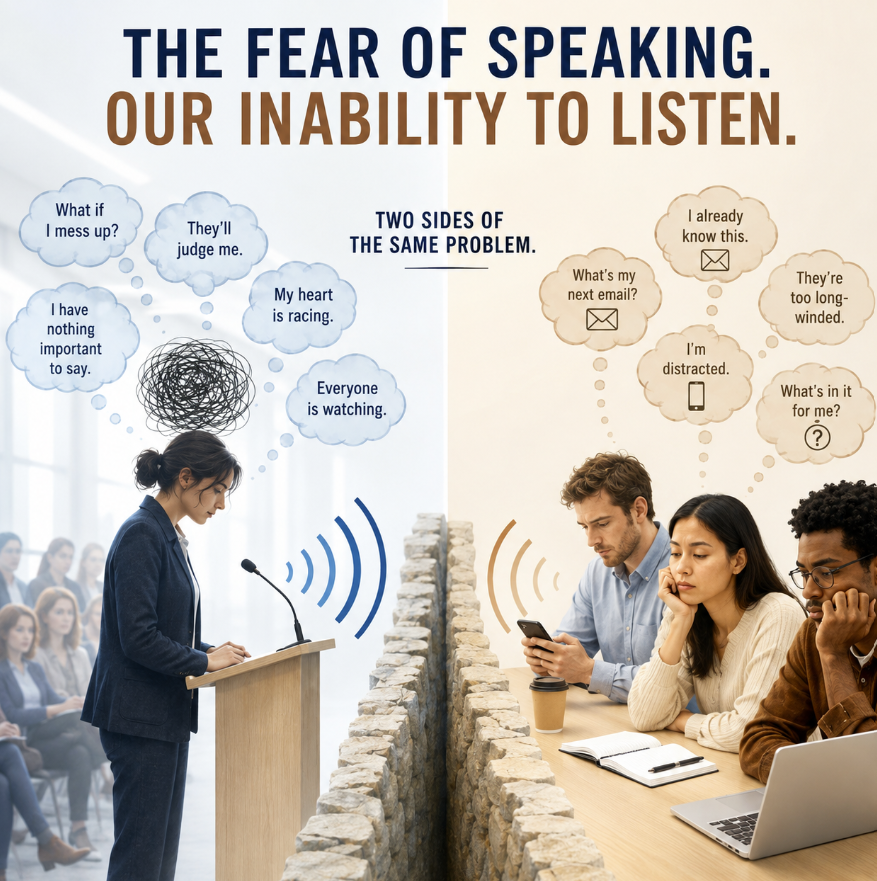
A survey on American Fears shows that 1 in 3 adults are afraid of public speaking.
I know the research from Chapman University is legit because I've coached and trained people on confident public speaking for over 40 years.
The interesting piece is that I can't find any research on the fear of listening.🤔
That's where the real communication often begins.
Why Thought Leaders Must Stop Overthinking

An invitation.
I just got a "Congratulations" email from the team organizing a women's healthcare leadership conference.
They invited me to speak at their annual event in Houston.🤗
I'm going to be there.
I'll show up.
I'll speak up.
🧨I'll help thought leaders stop overthinking their communication.
I'll show them how to avoid jargon and buzzwords, and choose their words carefully.
I'll teach them to share their successes through stories and examples that connect with real people.
I'll help them amplify their voices in a steady, confident way that draws people in and makes an impact.
Here's the truth:
I've noticed that even people in top positions often struggle to share what they know clearly and confidently.
➡️Having a title on an org chart or business card doesn't mean much if you can't communicate in a way that truly connects with people.
You don’t need a formal invitation to refine your communication skills.
It’s a decision about how you speak up and show up.
I’m just encouraging you to be bold....
The Day Our Communication Really Changed
The first website.
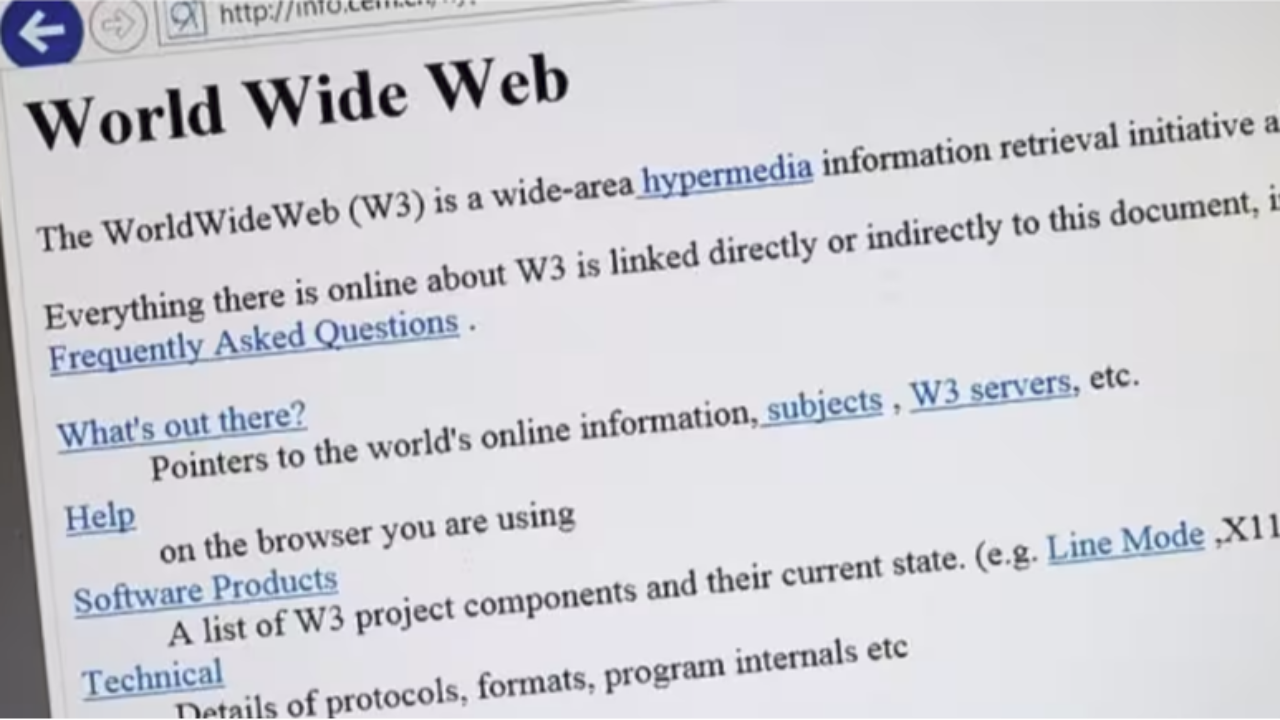
The world's first website went live 35 years ago today. 🎂
The site was actually called the World Wide Web project and explained how to use it.
What the heck has happened to our world and communication since August
6, 1991?
I would need a decade, multiple therapists, and a big pot of coffee to "go there." 😯
For now, we can laugh about a simpler way of life.
🧨Can you relate to my Top 10 Internet Memories?
1. Using an AOL email address
2. Hearing that ear-piercing dial-up sound on the modem
3. Having to hang up the telephone to go online
4. Saying WWW before the actual web address (no one said "URL")
5. Receiving lengthy emails from the King Prime Minister Ruler of the Emirates that he had a $20m trust fund account from my long-lost maternal great-uncle
6. Understanding that having a virus didn't require a medical diagnosis
7. Printing interesting webpages
8. Grabbing free AOL floppy discs...everywhere
9. Watching images load line by line
10. Using Netscape Navigator
Interestingly, ...
The Power is Not in Your Words
No words.
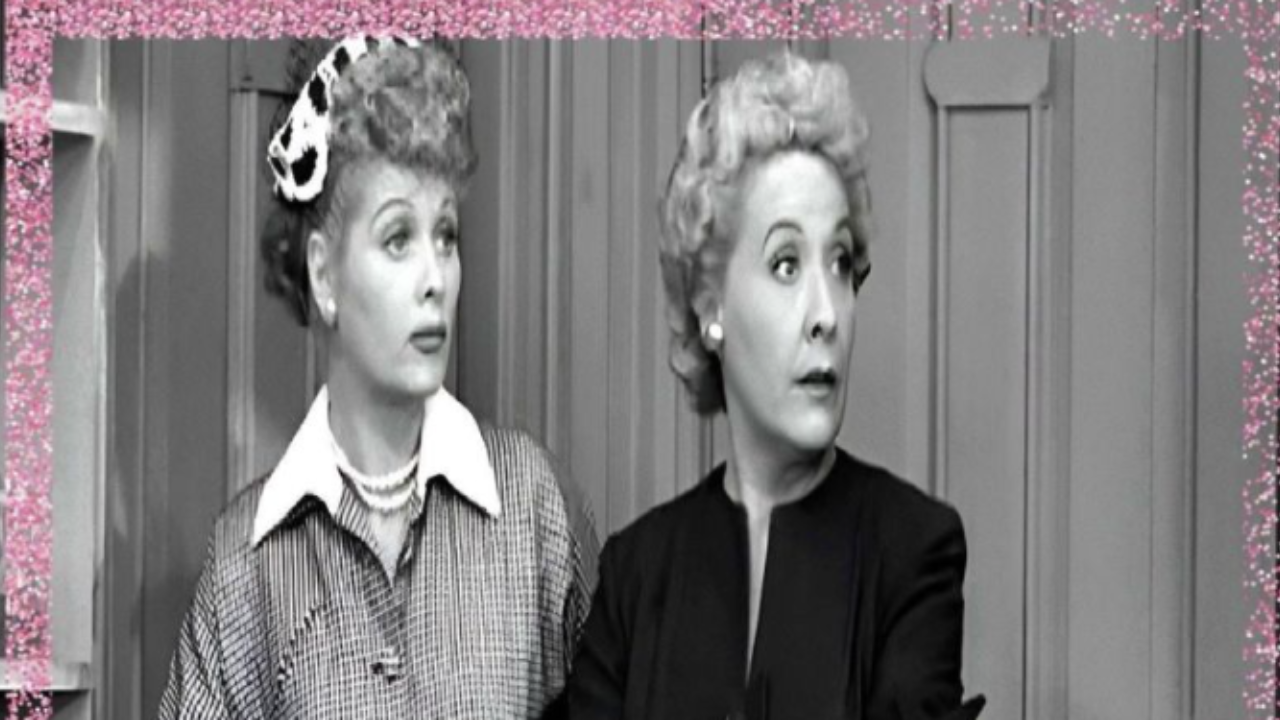
Our nonverbal communication is much more powerful than our spoken words.
Research from Nature-dot-com says that people don’t just listen to what we say.
They also interpret our facial expressions, body language, and vocal cues at the same time. 💯
You don’t have to say much because nonverbal cues and clues can substantially shape perceptions of emotion, credibility, and trust.
The bottom line: Be a people-watcher.
Pay attention to body language and physical energy. Equally important, be aware of your own facial expressions and gestures when interacting with others.
How Are You Showing Up at Work Every Day?

Accountability.
It’s more than just keeping your word.
It’s about following through on what you promised.
The first step to being accountable is honoring your commitments.
The next step is about how you show up.💯
Do you just show up to meetings, or do you come ready to contribute, learn, and help others?
In business, simply showing up isn’t enough.
➡️Stakeholders don’t reward mediocrity, but they notice it.
Even though it’s summer and things may feel slower, I encourage you to find new energy and use this time to show up in a bigger, bolder way.
Try learning a new skill or signing up for a webinar.
Unsubscribe from newsletters you never read and start following content your leaders care about.
You could even look for a new mentor.
Hold yourself accountable not just for getting things done, but for doing them with purpose and intention.
That’s how you reach your true potential.🤗

How to Quit Dancing Around Awkward Moments

The dance.
Bon Jovi is in the midst of nine shows at Madison Square Garden, after not touring since 2022.
That break followed serious vocal cord problems for frontman Jon Bon Jovi that threatened his iconic voice.
Last year, I saw Jon Bon Jovi on a news program talking about risky surgery and his tedious daily exercises.
He spoke of the physical pain and the emotions of not knowing if a comeback was possible. 😯
Critics and fans hadn't minced words a few years ago: Bon Jovi's strained and raspy voice was shot.
His bandmates tried to cover, but couldn't.
With all eyes and ears on Jon Bon Jovi, the band takes to the stage on opening night.
Surrounded by his bandmates, Bon Jovi sings the first few lines from Joe Cocker and the Beatles' song, With a Little Help From My Friends.
🎶The opening words boldly and wholeheartedly address the elephant in the room:
"What would you think if I sang out of tune? Would you stand up and walk out on me? Lend me your ears, and I'll sing you a song, and I'll try n...

